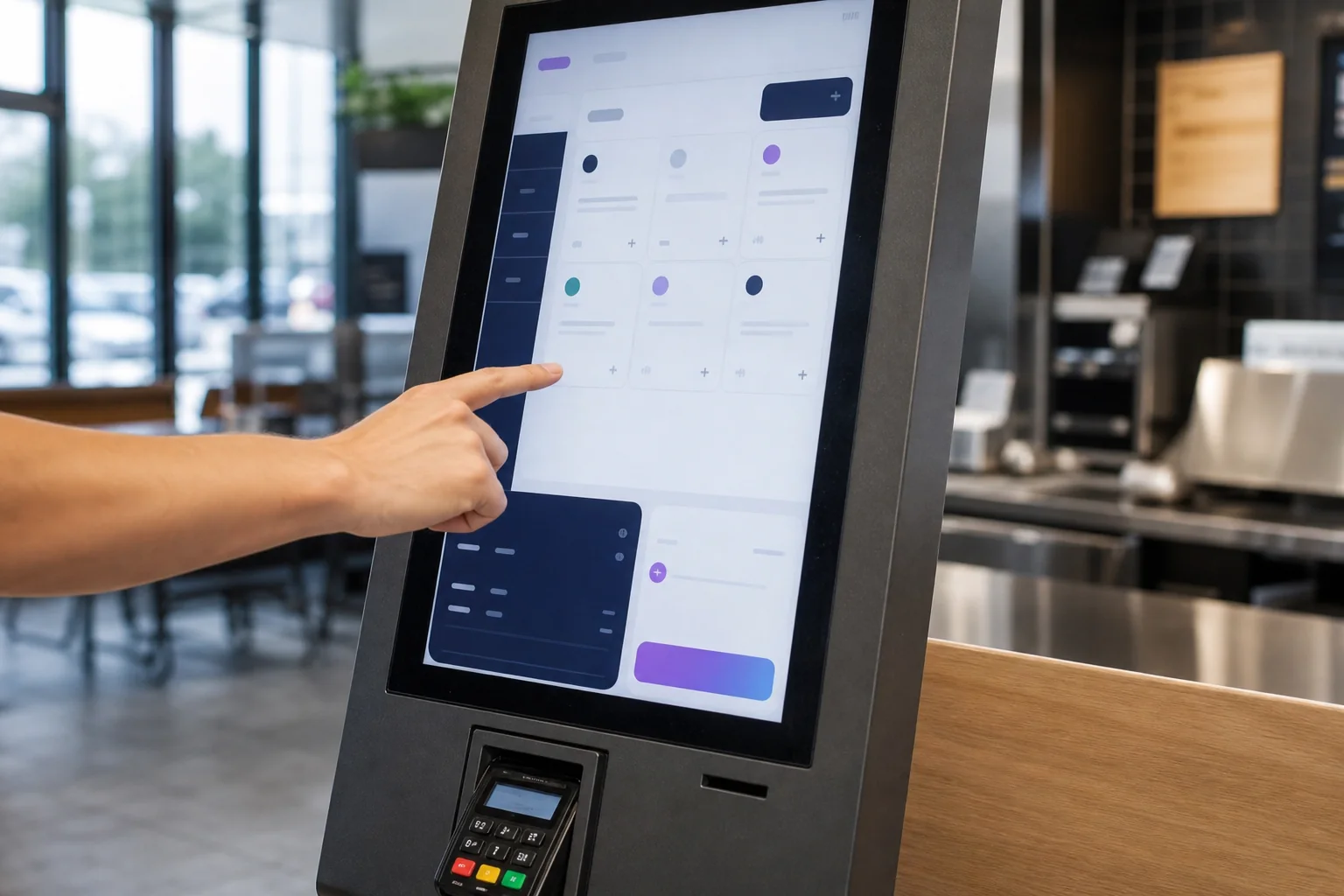
 Illustrative scenario
AT THE POINT OF SERVICE
Context stays with the team.
The order, its channel and its status remain clear at the moment someone actually needs to act.
THE OPERATING SYSTEM FOR RESTAURANTS
TYTAN ONE connects every step—from what customers choose and kitchens prepare to every payment taken and decision made across the network.
Built for restaurants, groups, multi-site networks and franchises.
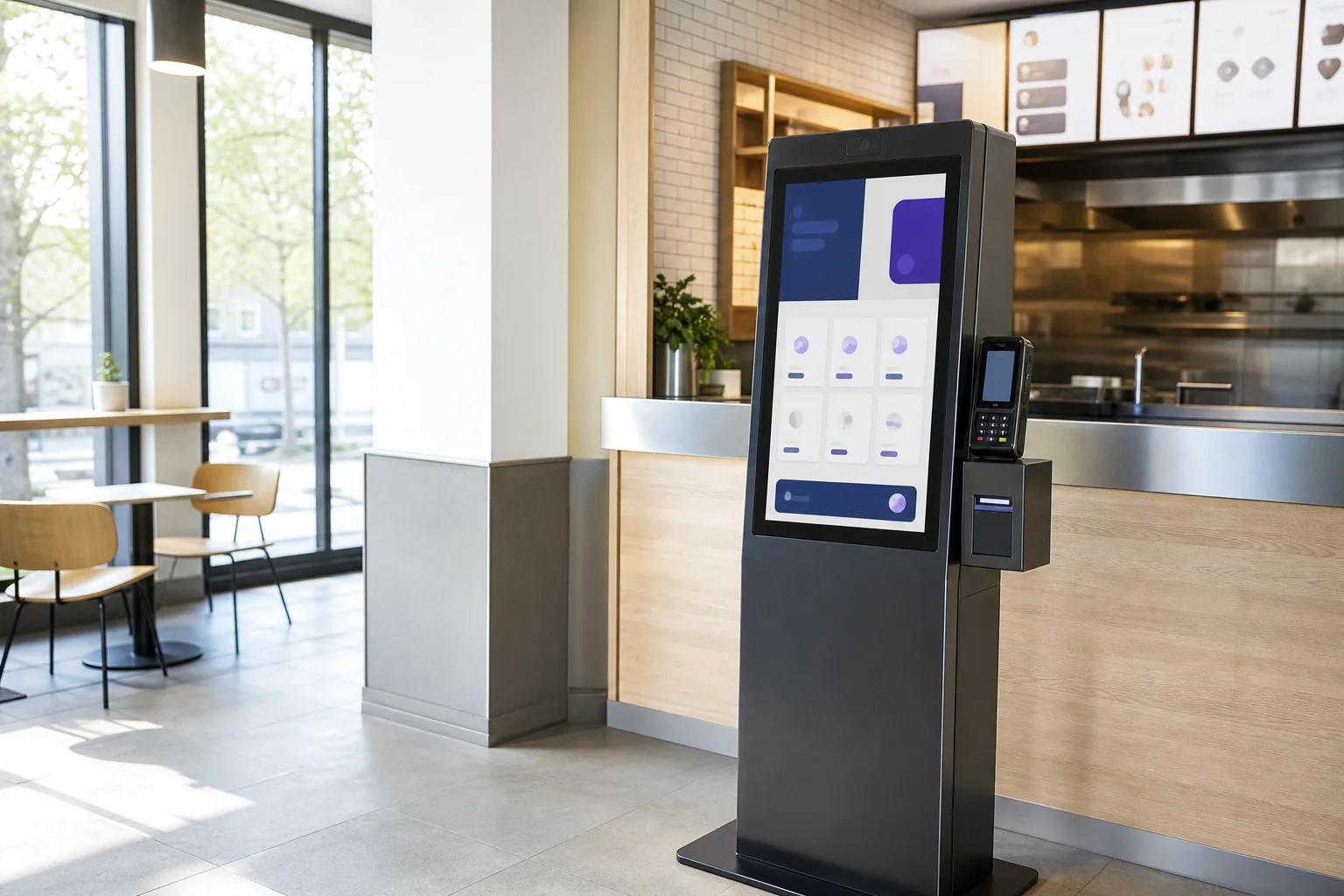
TYTAN ONE connects the ordering point, transaction and management within the restaurant’s real operating environment—without adding another screen disconnected from the frontline.
Illustrative scenarioThe order, its channel and its status remain clear at the moment someone actually needs to act.
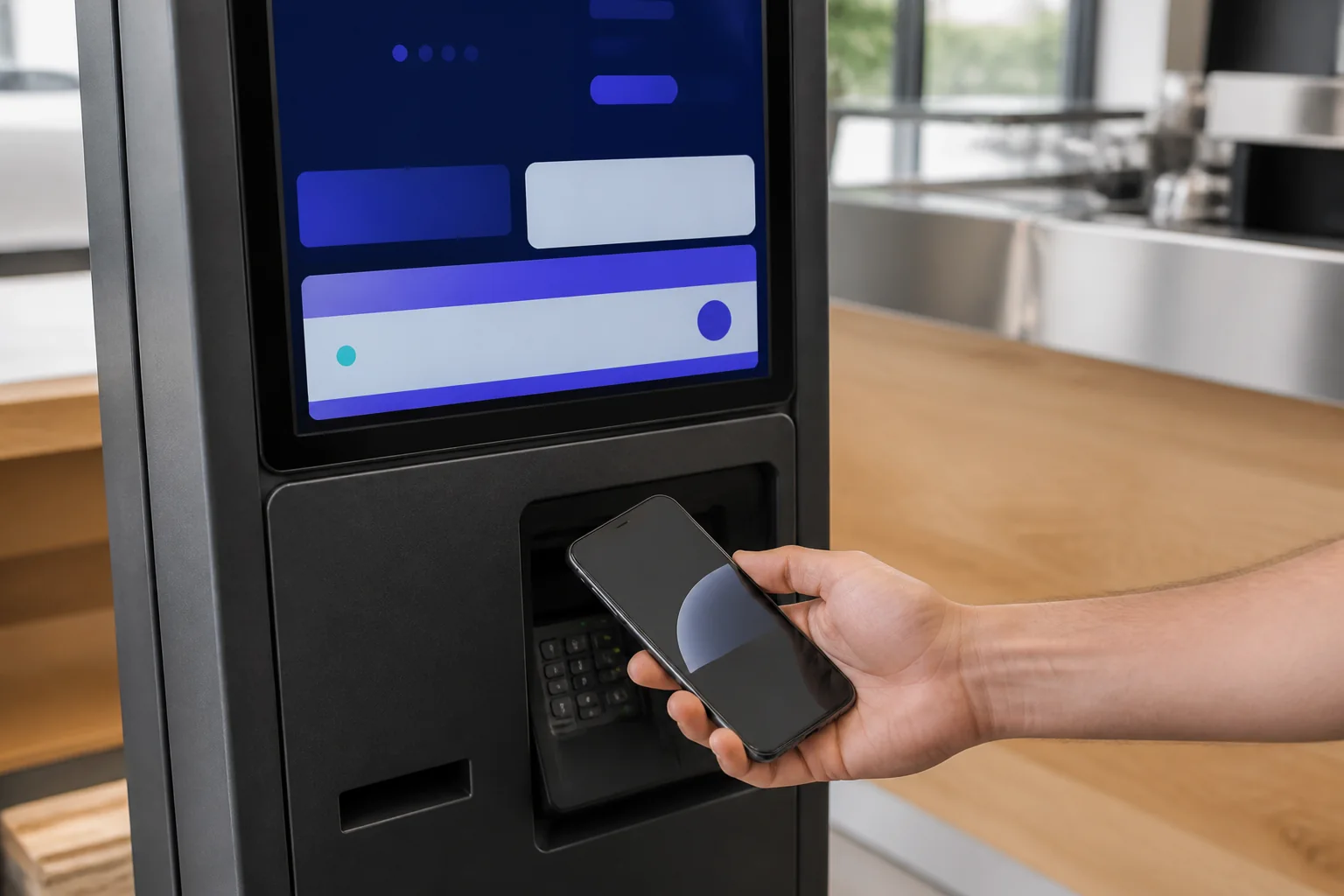 Illustrative scenario
The interaction stays simple for the customer, while the location, channel and order remain clear to operations.
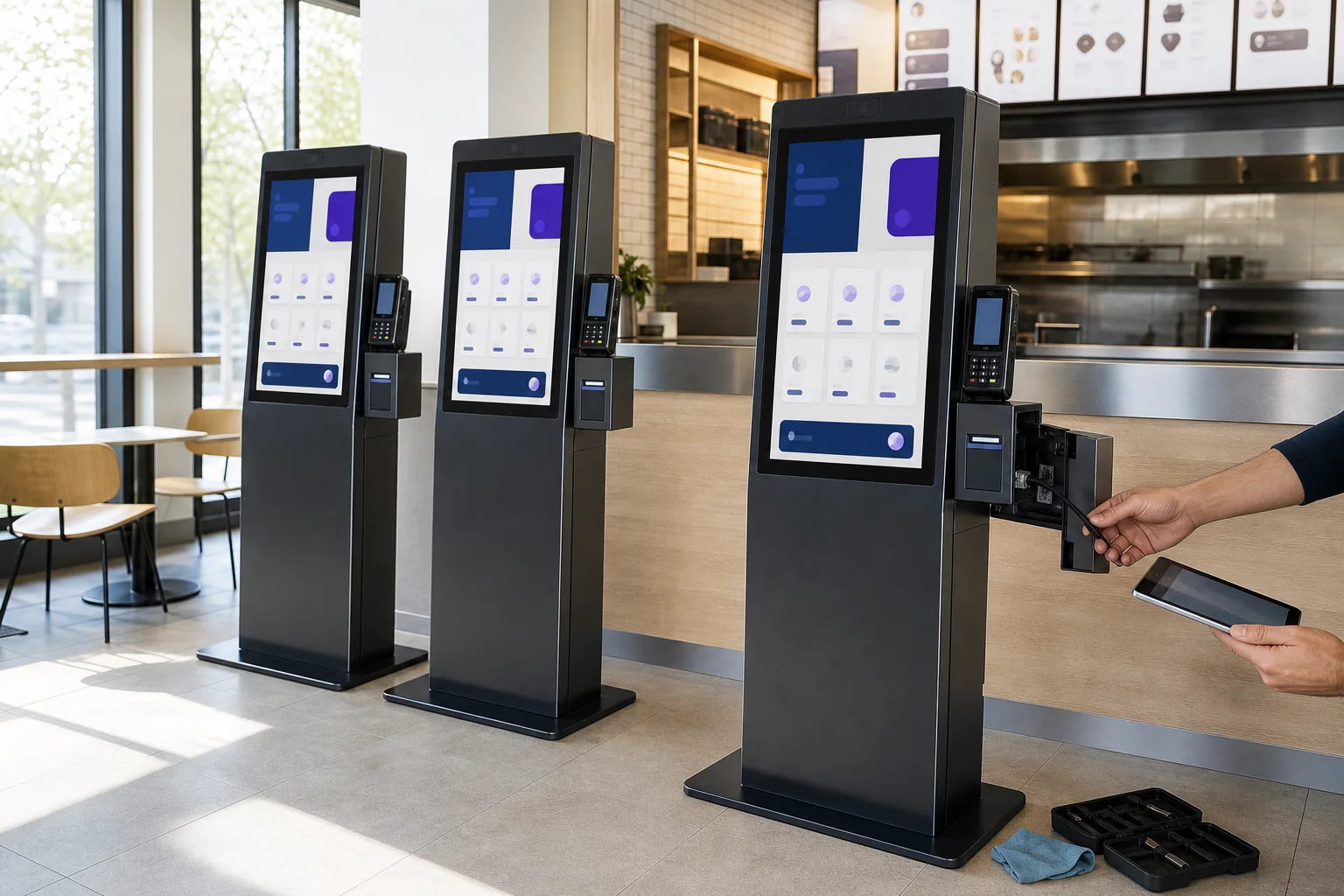 Illustrative scenario
Managers see the relevant variances and priorities without losing touch with how the location actually operates.
Seven modules share the same context, while the outcome stays practical: choose, prepare, serve and manage with fewer breaks in the flow.
The menu is quick to browse, easy to customise and stays connected all the way through payment.
Payment completes the journey without separating the transaction from the order.
Each order reaches the right place with its menu, channel and status intact.
KPIs reveal the pace, variances and priorities of every restaurant.
Relevant signals surface with their context, without replacing human judgement.
Managers see what matters most, both on site and remotely.
Existing tools join the same operational flow once validated.
Leadership compares performance without combining multiple exports. A manager sees the same signal at restaurant level and can access the context that matters.
A standalone solution sees only one part of service. TYTAN ONE preserves context from the customer interaction through to the network-level decision.
Improves the journey without always connecting payment, data and management.
Takes payment without always preserving the operational context of the order.
Highlights variances without organising the next action for each role.
Connects hardware, flows, transactions, analysis and action.
A central view should not overload frontline teams. Every role sees its own scope and responsibilities.
Compare channels, identify variances and follow decisions without combining multiple files.
Connection categories · availability to be confirmed during scoping
POS, delivery, web, payment, loyalty and management tools are assessed as flow categories. No logo or status is shown without validation.
Value is seen in smoother service, consistent data and faster decisions—not in an unsupported percentage.
Channels and locations contribute to one shared view.
Teams see what genuinely requires action.
Standards are centralised while local autonomy remains controlled.
The pilot prepares a phased extension with structured frontline feedback.
Operational guides to support decisions and conversations with your teams.
The decisions to scope before the pilot and at every rollout wave.
7 min · Editorial contentDataBuild a shared view that gives every role a clear next action.
8 min · Practical guideAISeven rules to reduce noise and put decisions back at the center of data.
8 min · Guide · Network operationsTell us about your operation. We will help identify the first useful scope.
Request a demo